Intelligent Modern Soy Sauce Making Equipment
Intelligent modern soy sauce fermentation equipment realizes automatic monitoring and closed fermentation control. It can precisely regulate temperature, brine addition, stirring and ventilation during moromi fermentation. The system collects real-time data such as amino acid nitrogen, pH and temperature. It reduces manual intervention, stabilizes product quality and shortens the production cycle. Suitable for high-salt diluted state soy sauce fermentation.
PRODUCT DESCRIPTION
Description
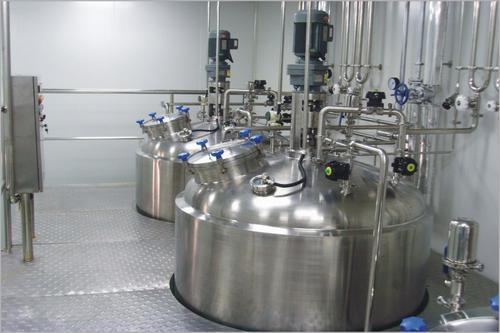
The equipment supports both high-salt liquid-state fermentation and low-salt solid-state fermentation processes. It realizes sealed constant-temperature fermentation of mash, automatic stirring & koji turning, automatic temperature regulation, contamination prevention against miscellaneous bacteria and CIP Cleaning in Place. It completely replaces traditional extensive fermentation modes, greatly improving the consistency of soy sauce quality and production efficiency. It serves as core equipment for soy sauce manufacturers to upgrade facilities, expand production capacity and boost quality & productivity.It delivers efficient, stable and hygienic modern fermentation solutions specially for the soy sauce Brewing industry.
Advantages of Core Structure & Materials
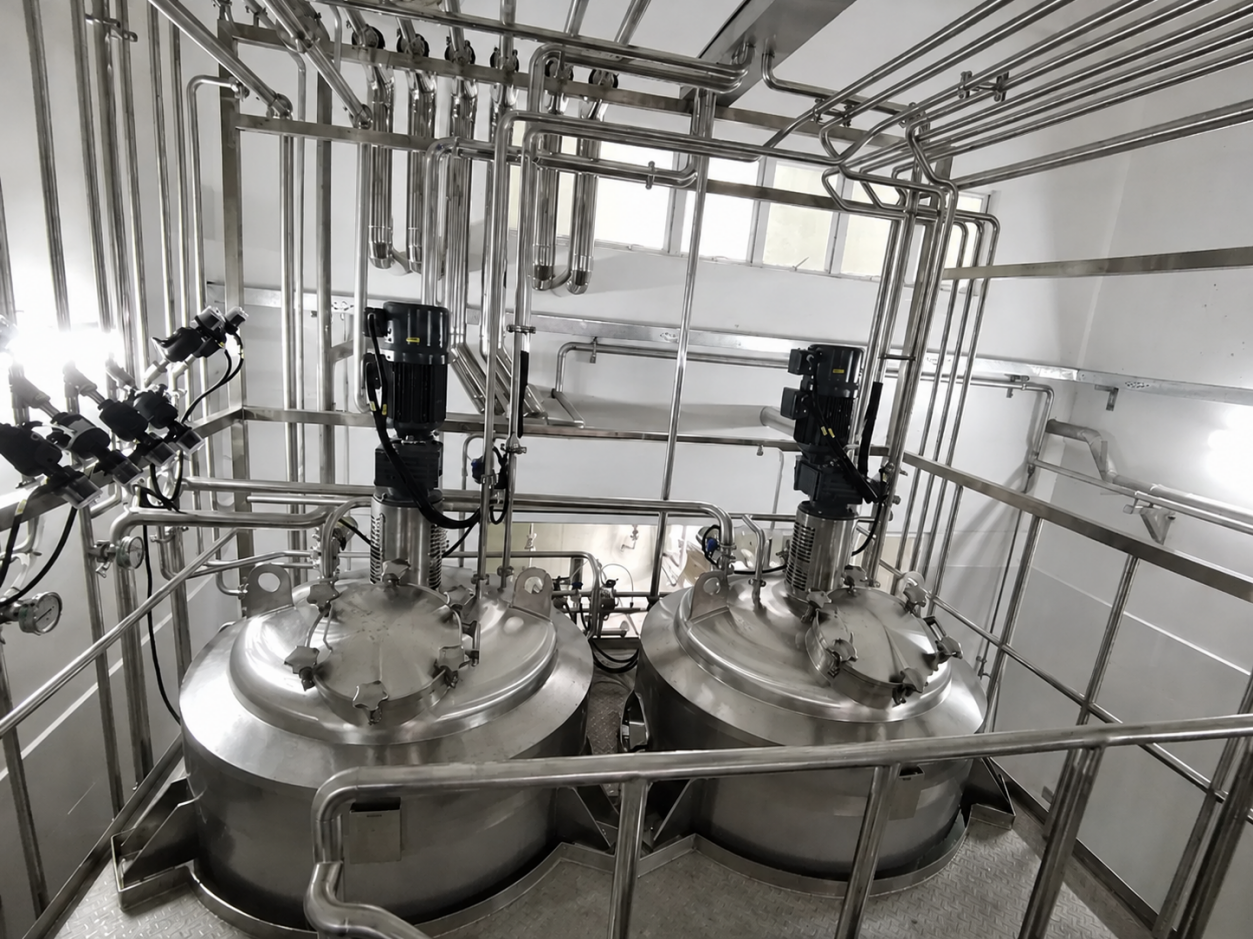
1.Food-grade Stainless steel Construction All parts in contact with raw materials are fabricated from premium 316L or 317L stainless steel. The material features outstanding corrosion resistance and high-temperature resistance, meets food contact safety standards with zero substance precipitation, safeguarding soy sauce flavor and hygienic safety.
2.High-precision Mirror Polishing Treatment The inner tank surface undergoes fine polishing with surface roughness Ra ≤ 0.8μm. The smooth inner wall has no dead corners, prevents material adhesion and residue, and facilitates cleaning & disinfection, fundamentally inhibiting the propagation of miscellaneous bacteria.
3. Integrated Multi-layer Tank Design The tank adopts a composite structure consisting of jacket temperature control layer, thermal insulation layer and sealing structure. Standard connections including sealed manhole, feeding port, discharge port, cleaning port, breathing port, temperature measuring port and drain port are arranged reasonably for convenient operation to satisfy all demands throughout the fermentation process.
4.High-efficiency Agitation System Equipped with central shaft + paddle / helical stirring structure. Agitation is uniform with gentle force to avoid caking and wall adhesion of soy mash. It ensures sufficient contact between mash, oxygen and uniform temperature field for thorough fermentation and balanced flavor.
5.Sanitary Sealing System Food-grade silicone rubber / PTFE sealing components are adopted for reliable sealing performance. Sanitary hermetic sealing eliminates leakage, effectively blocking invasion of external miscellaneous bacteria, lowering fermentation failure rate and raising qualified product rate.
6.Intelligent Control System
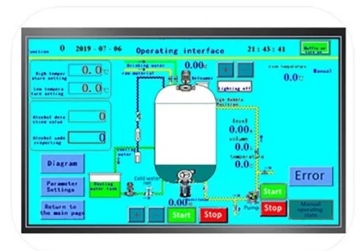
The equipment is equipped with PLC touch screen intelligent control system featuring simple operation and stable operation, enabling full-process automatic control:
· Precise Temperature Control: PID temperature control technology is adopted; temperature control accuracy ±1℃, adjustable temperature range 0~60℃, satisfying the optimal fermentation temperature of 25~35℃ for soy sauce.
· Automatic Agitation: Stirring duration and interval can be freely set according to technical requirements, supporting variable frequency speed regulation.
· Data Recording: Operating parameters, temperature curves and stirring records are automatically stored to meet production traceability requirements.
· One-touch Operation: Automatic operation after parameter setting, eliminating frequent manual on-site attendance and greatly cutting labor costs.
·
Applicable Processes & Fermentation Parameters
1. Low-salt Solid-state Fermentation
· Fermentation Cycle: 15~30 days
· Agitation Mode: Stir for 10~20 minutes every 8~12 hours
· Features: Short cycle, high efficiency, suitable for mass soy sauce production
2. High-salt Liquid-state Fermentation
· Fermentation Cycle: 60~180 days
· Agitation Mode: Stir for 5~10 minutes every 24 hours
· Features: Rich flavor, superior quality, suitable for premium soy sauce production
CIP Automatic Cleaning in Place System
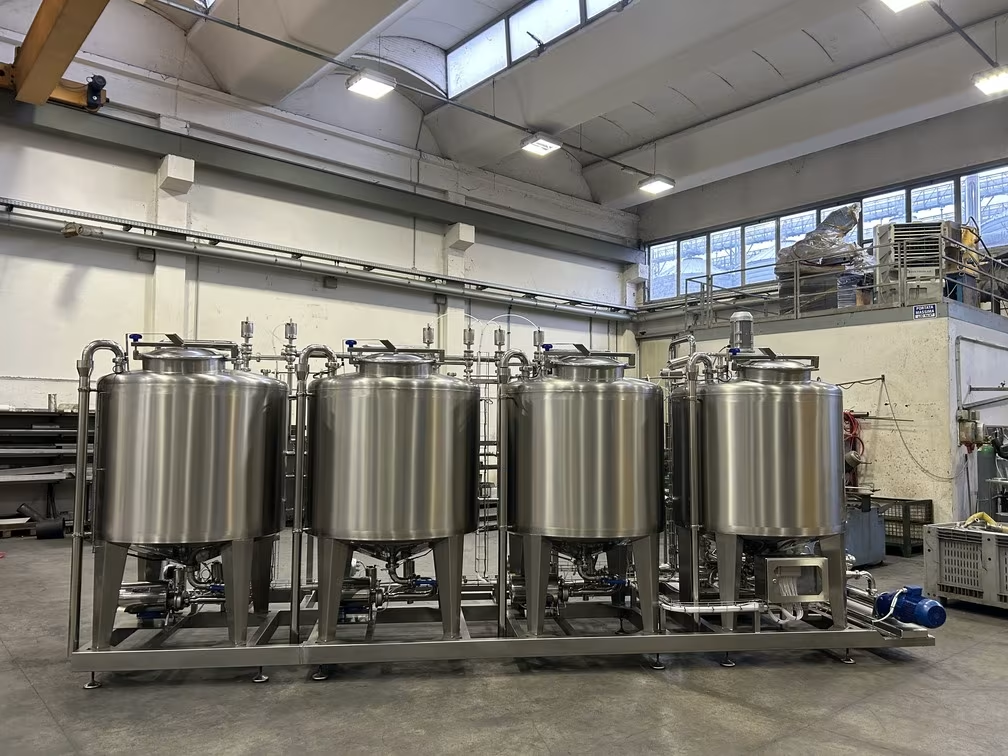
The machine is fitted with standard CIP Cleaning in Place system, eliminating manual tank-opening cleaning:
1. Pre-rinsing with clean water
2. Circulating cleaning with food-grade neutral detergent
3. Rinsing with purified water for zero residue
4. Optional hot air drying and food-grade disinfection
The whole process runs automatically. The system ensures thorough sanitation, saves time and labor, and fully complies with food production hygienic codes.
Key Technical Parameters
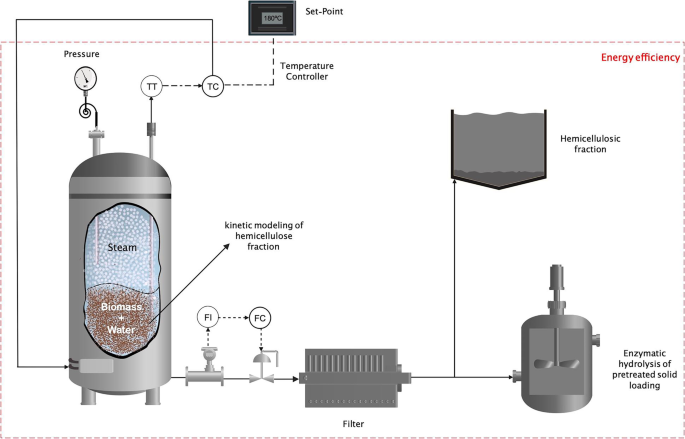
Applicable Standard: Q/AELT 001-2023
Ambient Temperature: 5℃~45℃
Relative Humidity: ≤85%
Working Steam Pressure: 0.2~0.4 MPa
Water Supply Pressure: 0.2~0.4 MPa
Power Supply: 380V 50Hz, 3-phase 5-wire system
Temperature Control Range: 0~60℃
Temperature Control Accuracy: ±1℃
Stirring Speed: Variable frequency adjustable Jacket
Working Pressure: ≤0.4 MPa
Equipment Material: 316L / 317L Food-grade Stainless Steel
Sealing Grade: Sanitary hermetic sealing without leakage
Cleaning Method: CIP Automatic Cleaning in Place
Charging Volume: Not exceeding 85% of the effective tank volume
Safety & Maintenance
Multiple Safety Protections
Multi-safety designs including over-temperature alarm, overload protection, phase loss protection, electric leakage protection and pressure monitoring ensure secure operation.
Standardized Maintenance Schedule
· Daily: Inspect and clean seals, valves and pipelines
· Weekly: Check agitator, bearings and reducer
· Monthly: Refill / replace food-grade lubricating oil
· Quarterly: Calibrate temperature sensors
· Annually: Complete overhaul of tank body, instrument calibration and electrical system maintenance
The equipment features robust structure, high mechanical strength, long service life and stable reliable long-term operation.
Target Customers
Soy sauce manufacturers, condiment factories, food processing plants, brewing research institutes, agricultural industrialization processing enterprises.
Custom fermentation tank systems with different volumes and configurations can be developed according to customers’ production capacity requirements.
FAQ
Q1: What is the typical fermentation time for soy sauce?
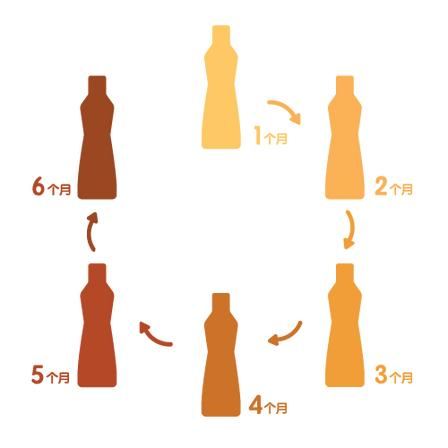
A1: Fermentation usually lasts 3–6 months depending on desired flavor.
Q2: Can the line produce both light and dark soy sauce?
A2: Yes, the system can adjust ingredients and fermentation to produce various types.
Q3: How automated is the line?
A3: Most modern lines are fully automated with PLC control and touchscreen interfaces.
Q4: What is the typical daily output?
A4: Ranges from 500 L/day for small lines to 20,000 L/day for large industrial lines.
Q5: Is the line energy efficient?
A5: Yes, modern lines use heat recovery, water recycling, and automated control for efficiency.
Complete Technical Guide For Modern Soy Sauce Production
Soy sauce is a seasoning liquid featuring unique color, aroma and flavor, produced by microbial fermentation of protein and starch raw materials. Based on different fermentation processes, soy sauce can be categorized into high-salt dilute-state fermented soy sauce and low-salt solid-state fermented soy sauce.
Soy Sauce Production Process
Raw soy sauce pretreatment → Blending → Filtration → Thermal Sterilization → Quality Inspection & Packaging
Two mainstream production lines are adopted in modern factories:
1. High-salt Liquid-state Fermentation (for premium light soy sauce, fermented for 4–6 months with rich flavor)
2. Low-salt Solid-state Fermentation (for mass-market soy sauce, fermented for 20–30 days with low production cost)
The following takes the fully automated enclosed high-salt liquid-state fermentation process as the main line, divided into 7 major procedures with standard industrial equipment for each section.
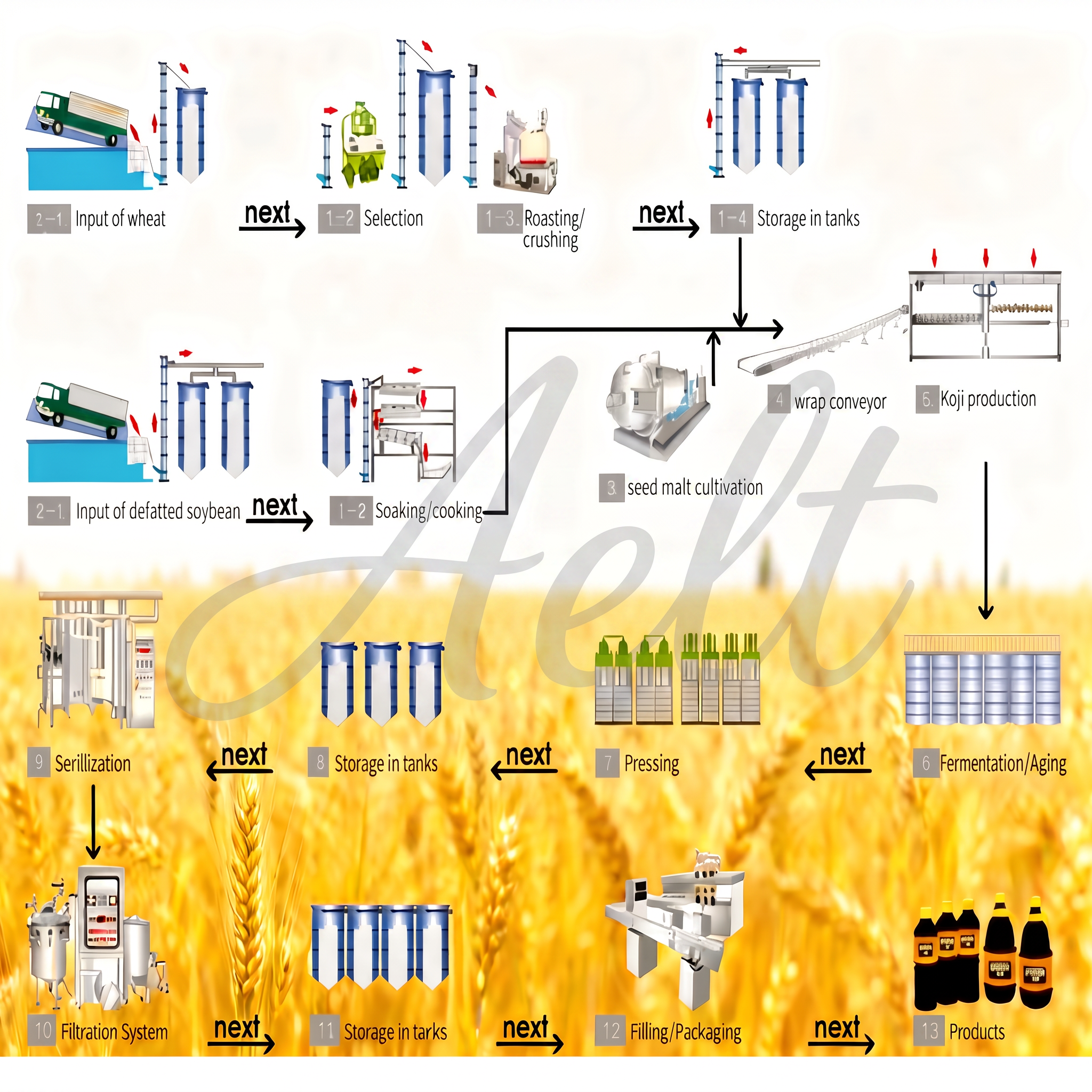
1. Raw Material Pretreatment
Process Flow
1. Soybean impurity removal & washing → soaking (8–12 hours at 20–25°C, moisture content 45%–50%)
2. Wheat low-temperature roasting for aroma enhancement → crushing into 4–6 mesh fine powder
3. Mix soybeans and wheat at a ratio of 7:3 → high-pressure steaming → air-cool the clinker to around 30°C
Supporting Equipment
1. Raw material storage: Sealed steel silos, bucket elevators, belt conveyors
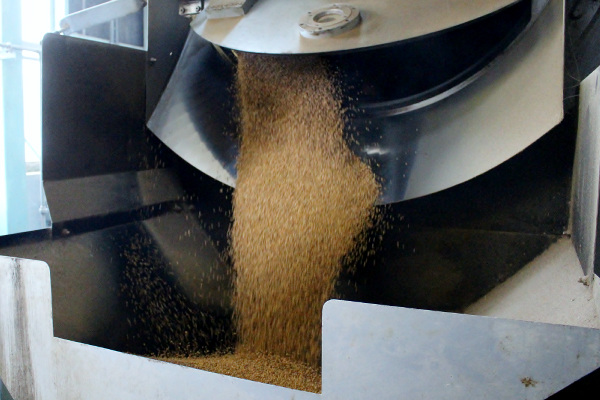
2. Cleaning Equipment: Vibrating screens, specific gravity destoners, soybean washing machines
3. Soaking system: Stainless steel sealed soaking tanks, hot water heat exchange tanks, automatic discharging Screw Conveyors
4. Wheat processing: Wheat roasting machines, disc mills, air cooling machines
5. Core steaming equipment
● Batch type: Rotary high-pressure cooking pots (0.1 MPa, 121°C, 30–40 min steaming)
● Continuous automatic type: Horizontal continuous steamers (standard for large-scale factories with continuous feeding and discharging)
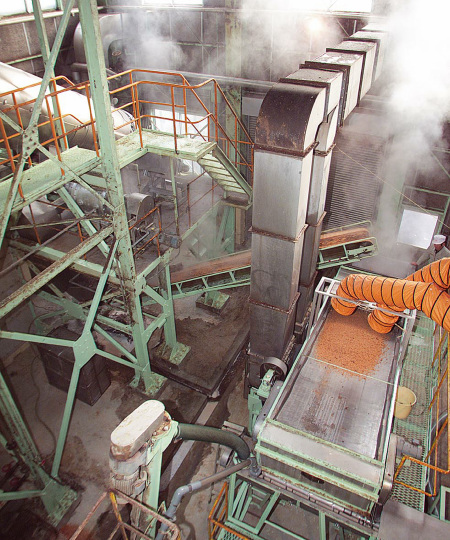
6. Cooling equipment: Thin-layer air-cooled spreading & cooling machines, uniform distributing screw conveyors
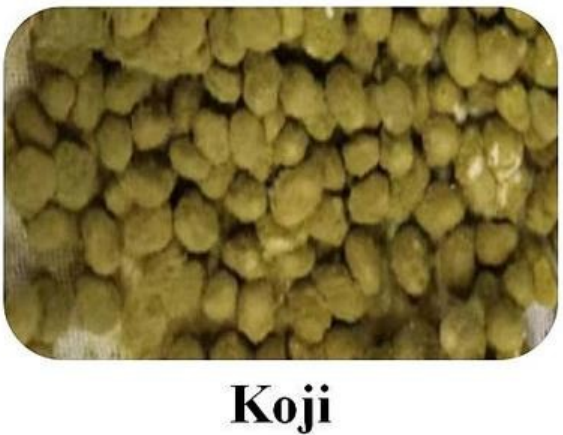
2. Koji Making (Core Stage for Soy Sauce Flavor; Aspergillus oryzae produces protease and amylase)
Process Flow
Cool clinker to 28–32°C → aseptic inoculation with seed koji (dosage: 0.05%–0.1%) → uniform mixing → constant temperature & humidity cultivation for 36–42 hours in koji-making equipment → regular koji turning before mature koji discharging
Supporting Equipment
1. Strain preparation: Slant culture incubators, seed koji machines for pure strain scale-up cultivation
2. Inoculation & mixing: Aseptic mixing blenders, quantitative distributors
3. Main automated koji-making machines
●Full-automatic disc koji makers (standard for large manufacturers, PLC-controlled temperature & humidity, built-in automatic raking harrows, fully sealed and sterile)
●Flat ventilated koji pools + traveling koji turners (for medium & small factories)
4. Auxiliaries: Constant temperature & humidity air conditioning units, circulating ventilation fans, screw conveyors for finished koji discharge
3. Mash Preparation & Enclosed Fermentation (Key Conversion Stage for High-salt Liquid-state Process)
Process Flow
Mix mature koji with 18°Bé saturated brine (2–2.5 times the raw material weight) → stir to prepare mash → pump into enclosed fermentation tanks; low-temperature cultivation at 15°C for 15 days in early stage, then gradually heat up to 28–30°C for constant-temperature fermentation of 4–6 months, with automatic circulating oil spraying at regular intervals. Salt-tolerant yeast and lactic acid bacteria cooperate with enzymes to generate sauce aroma and umami substances.
Supporting Equipment
1. Brine system: Salt dissolving tanks, online brine concentration blending tanks, plate heat exchange warm water tanks
2. Mash preparation & mixing: Horizontal mash blenders, quantitative delivery pumps
3. Core fermentation equipment: Vertical stainless steel enclosed fermentation tanks (with jacket temperature control, built-in automatic circulating spraying systems, bottom stirring devices, online pH & salinity monitors)
4. Auxiliaries: Circulating oil pumps, corrosion-resistant screw pumps for mash transfer, PLC central control system for fermentation environment
4. Mash Pressing & Oil Extraction (Extraction of Raw Soy Sauce)
Process Flow
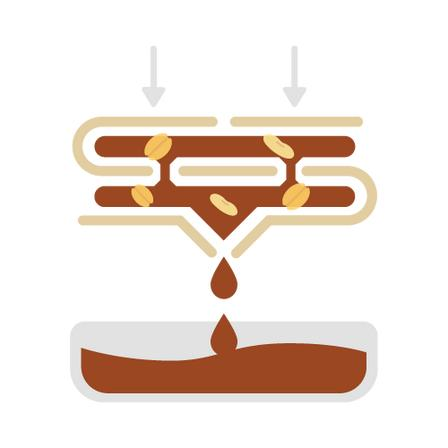
Deliver mature mash to pressing workshop → high-pressure extrusion to separate primary raw sauce → secondary rinsing to extract secondary sauce → ˚˚separation of residue (soy sauce residue for feed production)
Supporting Equipment
1. Conveyance: Insulated mash storage tanks, corrosion-resistant screw feed pumps
2. Main pressing equipment
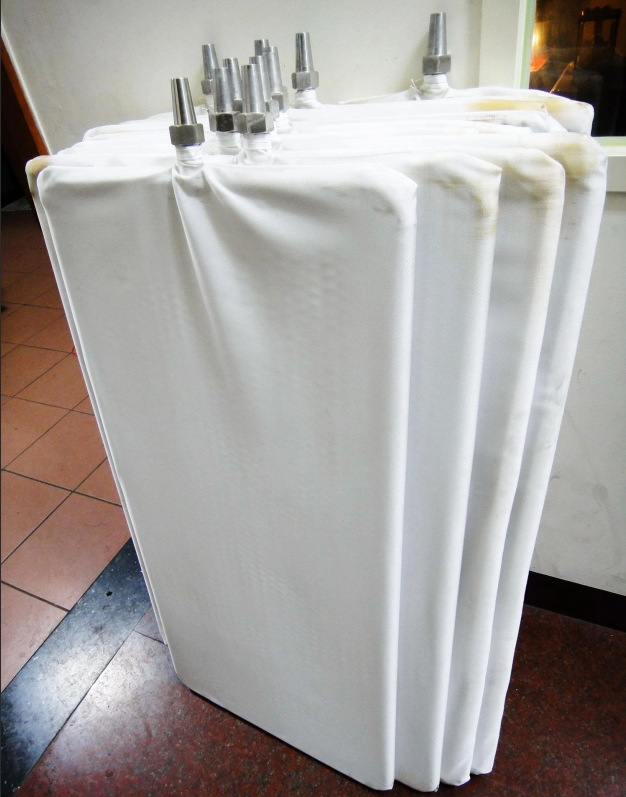
○ Full-automatic plate-and-frame filter presses (high precision, high clear liquid yield, for premium production lines)
○ Screw presses (for medium & small factories with large processing capacity)
3. Auxiliaries: Filter cloth washing machines, raw sauce temporary clarification tanks, screw conveyors for residue discharge
5. Blending & Refining (Unify Flavor, Color and Physicochemical Indicators)
Process Flow
Mix raw sauce from multiple batches → test salinity and amino nitrogen → adjust formula as required (caramel color, monosodium glutamate, I+G, white granulated sugar, preservatives) → static sedimentation to remove suspended solids
Supporting Equipment
Stainless steel jacketed blending tanks (with stirring and temperature control), automatic metering dosing pumps, sugar dissolving tanks, caramel cooking kettles, large-capacity static sedimentation storage tanks, online color & salinity detectors
6. Sterilization & Fine Filtration (Ensure Shelf Stability and Clarity of Finished Products)
Process Flow
Blended soy sauce → pasteurization (75–85°C, holding for 15–30 seconds) → rapid cooling → multi-stage fine filtration → secondary static clarification
Supporting Equipment
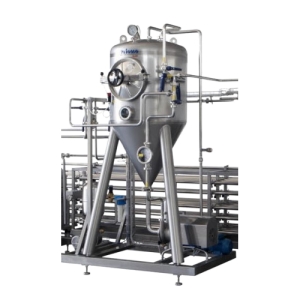
1. Main sterilization units: Tubular UHT instant sterilizers / plate pasteurizers (continuous automatic operation with precise temperature control)
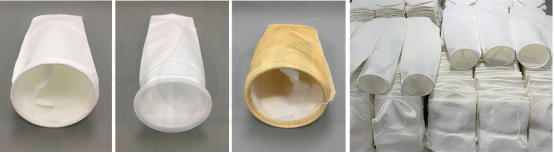
2. Filtration equipment: Diatomaceous earth filters, bag-type precision filters, membrane filter units (for zero-precipitation premium soy sauce)
3. Cooling equipment: Plate cold water heat exchangers, finished product buffer storage tanks
7. Fully Automatic Filling & Packaging
Process Flow
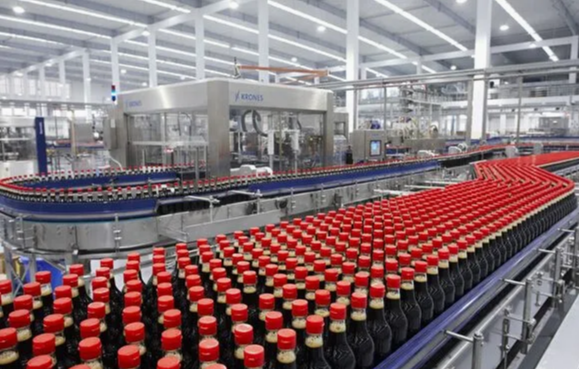
Empty bottle washing & disinfection → automatic filling → capping → date code spraying → labeling → inspection (liquid level, leakage, foreign matter) → cartoning & warehousing
Complete Packaging Line Equipment
Integrated bottle washing & disinfection machines, negative-pressure liquid filling machines, servo capping machines, laser coding machines, self-adhesive labeling machines, visual inspection machines, heat shrink wrapping machines, automatic cartoning & palletizing machines, finished product conveying lines
Supplementary: Differences of Low-salt Solid-state Simplified Production Line (Low-cost Mass Production)
1. Simplified process: No wheat roasting step, fermentation cycle only 20–30 days, no large enclosed fermentation tanks (cement fermentation pools adopted)
2. Reduced equipment: No disc koji makers (simple ventilated koji pools), no large constant-temperature fermentation tanks, miniaturized pressing equipment, suitable for mass production of mid-to-low grade soy sauce
General Auxiliary Equipment for Entire Production Line
1. Temperature control system: Steam boilers, chillers, plate heat exchangers
2. Conveyance: Full stainless steel screw / belt conveyors, corrosion-resistant centrifugal pumps
3. Automatic control: PLC central control systems, online sensors for temperature, humidity, salinity and pH, data recording systems
4. CIP cleaning: Automatic Clean-in-place tanks for food-grade sanitary cleaning
5. Quality inspection: Physicochemical testing instruments, microbial incubators, heavy metal detectors
 +86 29-87031531



 โทรศัพท์