Enzymatic-brewed Soy Sauce Production Line
Enzymatic-brewed soy sauce production uses compound enzymes to decompose soybean and wheat raw materials. It shortens fermentation cycle, improves amino acid yield and stabilizes product quality. The production line covers raw material crushing, enzymatic hydrolysis, sterilization, fermentation, filtration, refining and filling. Customized design is available for different capacities.
PRODUCT DESCRIPTION
Description
Remarkable transformations have unfolded in the soy sauce brewing sector over recent years, especially in enzymatic brewing. The industry is gradually shifting from experience-driven production toward controllable, standardized manufacturing. Equipment such as the Aenlunte Enzymatic Brewing Soy Sauce Production Unit has attracted intense attention from condiment factory operators. Simply put, manufacturers aim to strike a more reliable balance between consistent product quality and higher production efficiency.
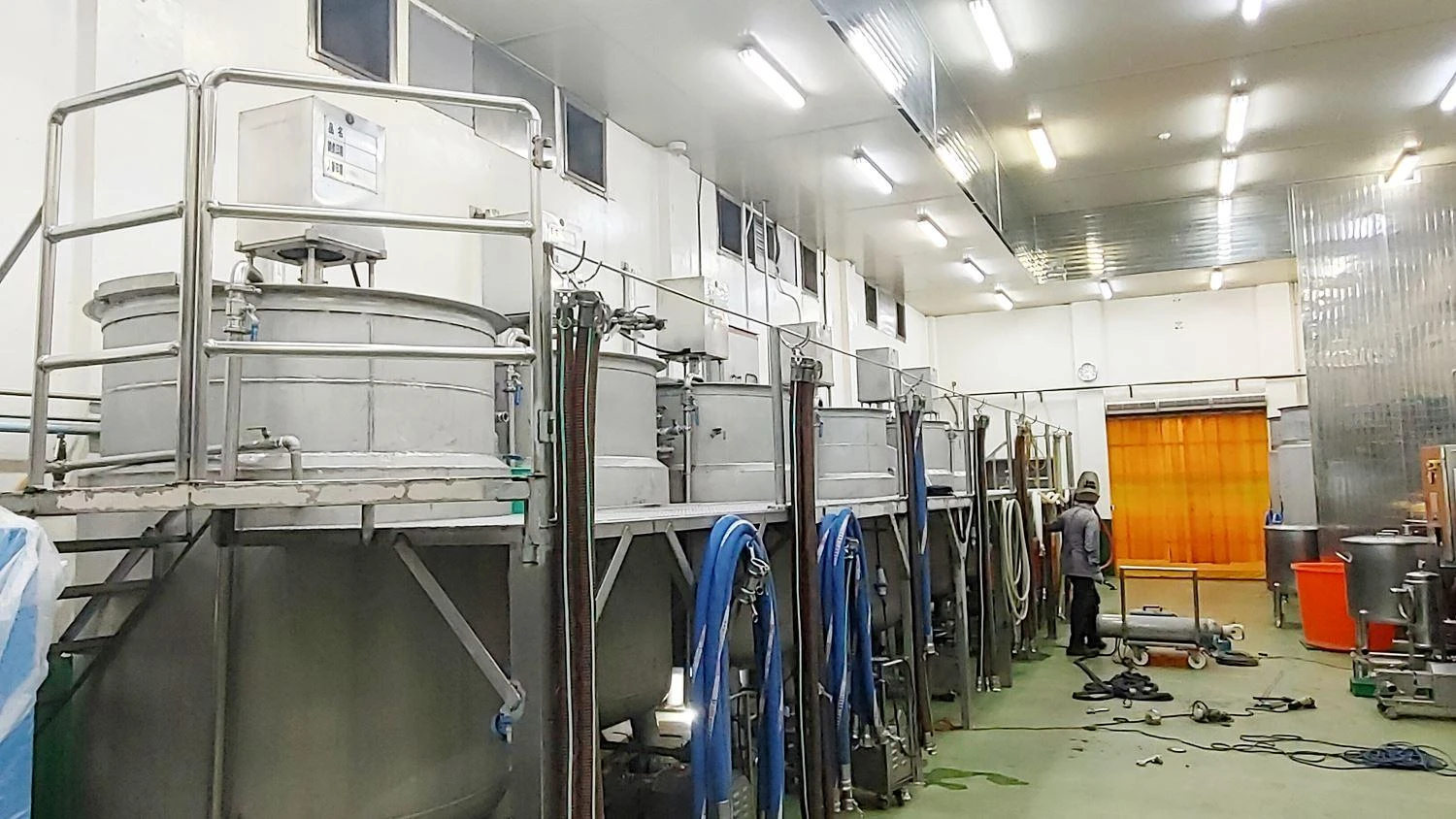
I. Why Enzymatic Brewing Technology Is Growing in Importance
Traditional soy sauce fermentation largely relies on natural fermentation and empirical control. Parameters including temperature, fermentation duration and koji turning frequency depend heavily on seasoned operators’ experience. This approach carries obvious drawbacks: substantial batch-to-batch variations, long production cycles and unstable output capacity.
The core principle of enzymatic brewing adopts targeted enzymatic hydrolysis to accelerate the decomposition of proteins and starches. It elevates raw material utilization while enabling better control over flavour formation. To put it simply, this scientific methodology mitigates uncertainties inherent to purely natural fermentation.
Against this backdrop, the Aenlunte Enzymatic Brewing Soy Sauce Production Unit delivers distinctive value. It is far more than a standalone reaction tank; it constitutes a complete systematic equipment solution covering enzymatic hydrolysis, temperature regulation, reaction and maturation.
II. Core Structural Design Philosophy of the Aenlunte Enzymatic Brewing Soy Sauce Production Unit
Practical factory deployment demonstrates that such equipment prioritizes continuous process chains rather than isolated individual functions. The Aenlunte system is engineered around several key modules:
First, the raw material pre-treatment system. Before entering enzymatic hydrolysis, raw materials such as soybeans and wheat undergo crushing, slurry preparation and preliminary sterilization. This stage directly determines subsequent hydrolysis efficiency.
Second, the enzymatic hydrolysis reaction system, the heart of the whole unit. With precise temperature control, timed agitation and regulated enzyme dosing, proteins are rapidly broken down into amino acids and peptides under mild conditions, laying the foundation for umami taste.
Subsequently comes the fermentation and maturation module. This phase focuses on flavour modulation and stabilization to achieve well-rounded overall soy sauce flavour, instead of delivering a single dominant savoury note.
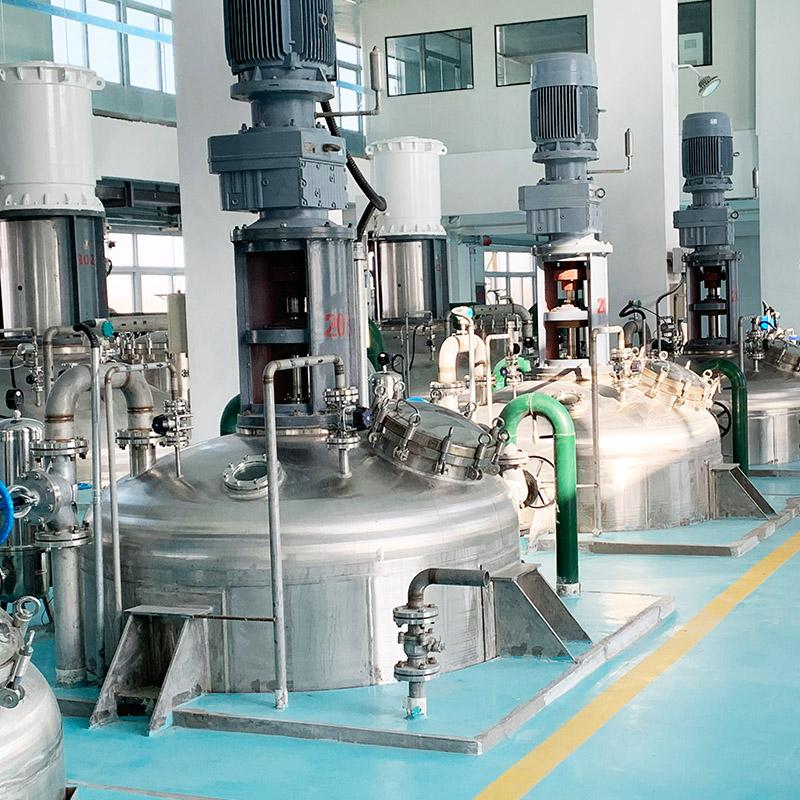
Finally, the automatic control system, an indispensable component for modern condiment manufacturers. Many enterprises have phased out manual logging, adopting PLC control systems to monitor and adjust temperature, pH values and time points in real time.
III. Equipment Advantages Stem from Process Stability, Not Merely Stacked Specifications
When evaluating equipment, most buyers first enquire about production capacity and power rating. Nevertheless, within the soy sauce machinery industry, the decisive competitive edge rarely lies in these superficial parameters; it hinges on stability and batch consistency.
A standout strength of the Aenlunte Enzymatic Brewing Soy Sauce Production Unit lies in its capability to restrain fluctuations under continuous production. For instance, with identical raw materials, variations in amino acid nitrogen content across different batches can be confined within a narrow range — a critical advantage for branded condiment manufacturers.
Another frequently overlooked factor is cleaning and maintenance-oriented design. Soy sauce production generates high organic loads. Equipment featuring numerous dead corners and inadequate cleaning accessibility poses contamination risks or cross-flavouring between batches. Optimized structural design significantly eases manual cleaning workload and cuts equipment downtime.
IV. Investment Logic from a Manufacturer’s Perspective
Many enterprises face a dilemma during equipment upgrades: whether to retain traditional fermentation tanks or invest directly in enzymatic brewing equipment.
For small-scale regional supply chains, conventional fermentation still holds cost advantages. However, companies targeting large-scale standardized production and export markets can hardly bypass enzymatic brewing equipment.
Fundamentally, investing in the Aenlunte Enzymatic Brewing Soy Sauce Production Unit means more than purchasing machinery. It shortens production cycles, reduces labour dependency and narrows quality deviations. Collectively, these three factors drive long-term cost reduction.
Particularly amid rising labour costs year by year, highly automated equipment typically delivers measurable returns within a cycle of 2 to 3 years.
V. Broader Application Scope Beyond Soy Sauce
Contrary to common perception, the usable range of such equipment extends far beyond soy sauce manufacturing.
Within the compound condiment industry, comparable enzymatic hydrolysis and fermentation processes can build fundamental flavour profiles for sauce bases, seasoning liquids and flavour concentrates for ready-to-process foods.
Certain food processors deploy this equipment to produce hydrolysed vegetable protein liquids for developing premium food ingredients. This represents emerging demand fuelled by the booming plant-based food sector in recent years.
VI. Frequently Neglected Key Criteria for Equipment Selection
Several often-overlooked factors during procurement exert profound impacts on long-term operation:
1. Temperature control precision. Enzymatic reactions are highly temperature-sensitive. Wide temperature swings reduce enzyme activity and lower overall conversion efficiency.
2. Agitation system design. Higher stirring speed does not equal better performance. It requires balanced material homogeneity and shear force control to avoid destabilizing the reaction system.
3. System scalability. Many manufacturers start with modest capacity yet plan production line expansion later. Equipment lacking reserved interfaces or modular expansion capacity incurs steep upgrade costs down the line.
VII. Industry Trend: Transition from Experience-Based to Data-Driven Production
The soy sauce Brewing industry is evolving steadily from an experience-reliant sector toward data-driven manufacturing. In other words, production previously dependent on veteran craftsmen now relies more on parameters, process curves and systematic automation.
The practical significance of the Aenlunte Enzymatic Brewing Soy Sauce Production Unit lies in enabling this industrial transformation. It not only boosts productivity but also converts unpredictable variables into controllable parameters.
In the coming years, competition among such equipment will no longer centre purely on mechanical structures. Competitive advantage will rest on integrated capabilities encompassing process data modelling, intelligent control systems and flavour stabilization algorithms.
VIII. Conclusion: Equipment Upgrade Equals Process Upgrade
Essentially, equipment acts only as a tool. Processing methodology ultimately defines the upper limit of product quality. Even the most sophisticated process concepts can hardly be implemented consistently without proper equipment support.
The greater value delivered by the Aenlunte Enzymatic Brewing Soy Sauce Production Unit lies in engineering complex brewing workflows. It enables factories to manufacture products with superior consistency and lower operational uncertainty.
For condiment manufacturers undergoing facility upgrades or planning capacity expansion, this type of equipment represents infrastructure-level investment rather than a simple machinery procurement decision.
FAQ
Q1: What is the typical fermentation time for soy sauce?
A1: Fermentation usually lasts 3–6 months depending on desired flavor.
Q2: Can the line produce both light and dark soy sauce?
A2: Yes, the system can adjust ingredients and fermentation to produce various types.
Q3: How automated is the line?
A3: Most modern lines are fully automated with PLC control and touchscreen interfaces.
Q4: What is the typical daily output?
A4: Ranges from 500 L/day for small lines to 20,000 L/day for large industrial lines.
Q5: Is the line energy efficient?
A5: Yes, modern lines use heat recovery, water recycling, and automated control for efficiency.
Complete Technical Guide For Enzymatic-brewed Soy Sauce Production Line
Traditional natural fermentation of soy sauce suffers from long production cycles and significant quality fluctuations. Flavour variations can occur even within one batch, not to mention seasonal discrepancies. however, with advances in technology, the emergence of enzymatic processes has solved the problem.
The core logic of enzymatic brewing is straightforward: Controlled enzymatic hydrolysis partially replaces natural fermentation, accelerating the conversion of proteins and starches into amino acids and saccharides.
Simply put, it speeds up maturation while stabilizing product quality.
However, new challenges emerge after industrialization. Precise equipment control over temperature, pH value, agitation and enzyme activity environment is mandatory. Otherwise, manufacturers may encounter a common dilemma: faster production yet unsatisfactory flavour profiles.
I. Core Components & Process Flow
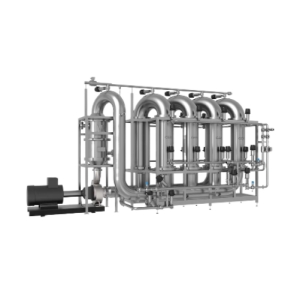
A steadily running production line rarely relies on standalone machinery; instead, it requires coordinated operation of a complete integrated system.
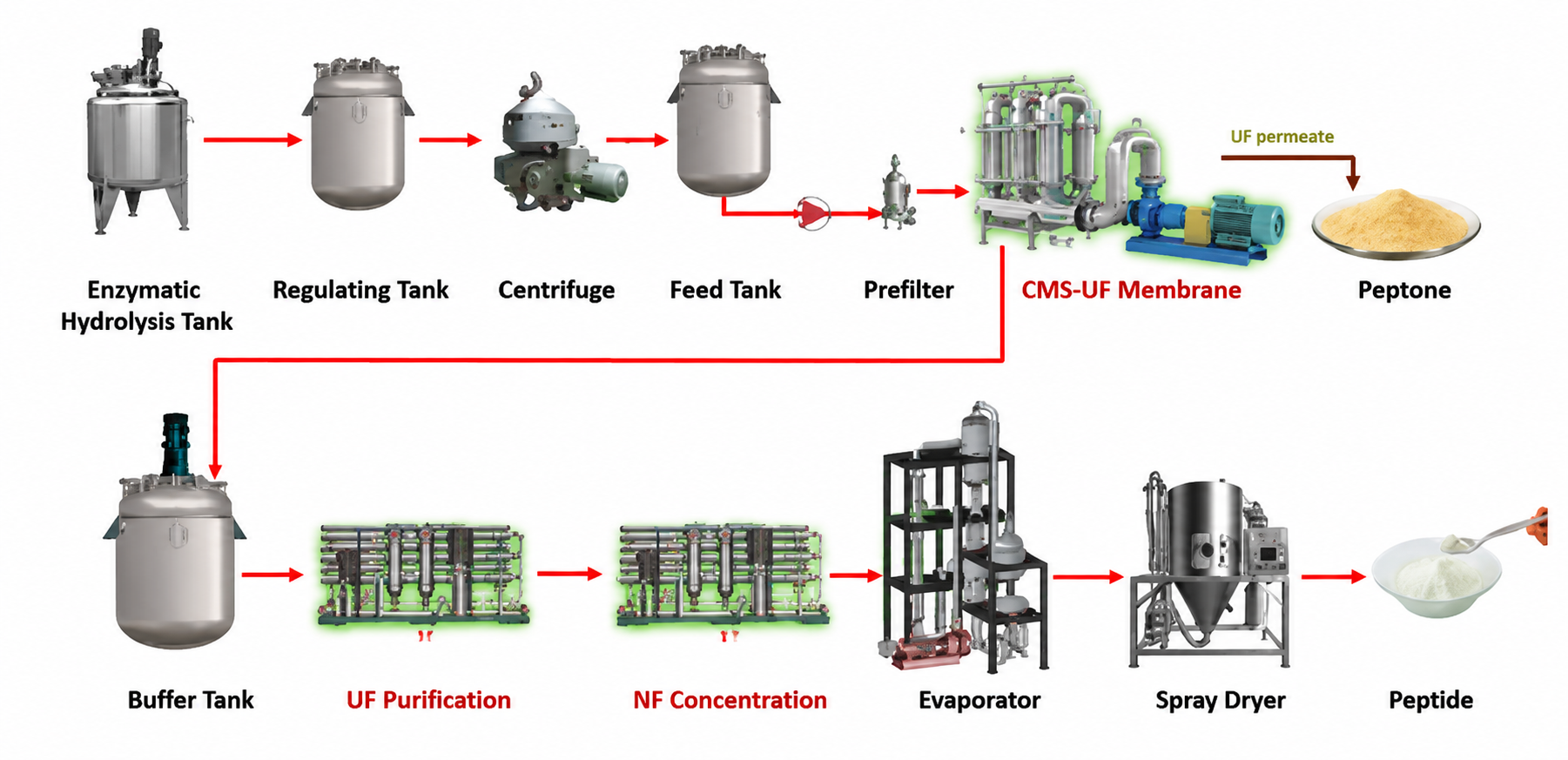
Raw Material Pre-treatment System It mainly includes soybean meal crushing, dissolution and slurry preparation equipment. The priority of this stage is not ultra-fine grinding, but material homogeneity. Uneven feed liquid will drastically reduce subsequent enzymatic hydrolysis efficiency.
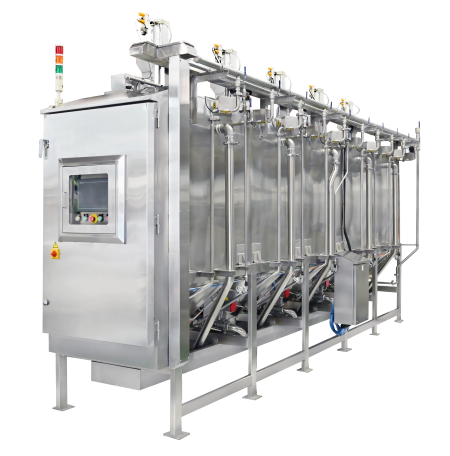
Enzymatic Hydrolysis Reactor (Core Equipment) It serves as the heart of the whole production line, equipped with key functions as below:
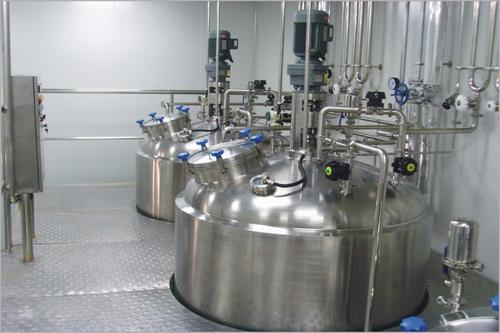
High-precision constant temperature control
Automatic pH adjustment
High-efficiency agitation system
Online enzyme dosing system
Practical production experience proves that higher stability in this stage delivers consistent flavour in downstream processes. Equipment upgrades undertaken by most manufacturers mainly target this section.
Enzyme Inactivation & Sterilization System Upon completion of enzymatic hydrolysis, the reaction must be terminated rapidly.
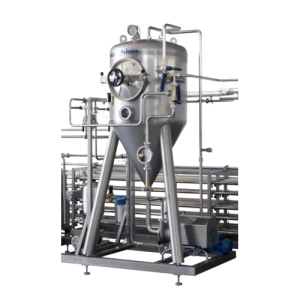
Uncontrolled continuous reactions will overdevelop flavour defects. Instant heating or heat exchange systems are commonly adopted, with one critical requirement: rapid response.
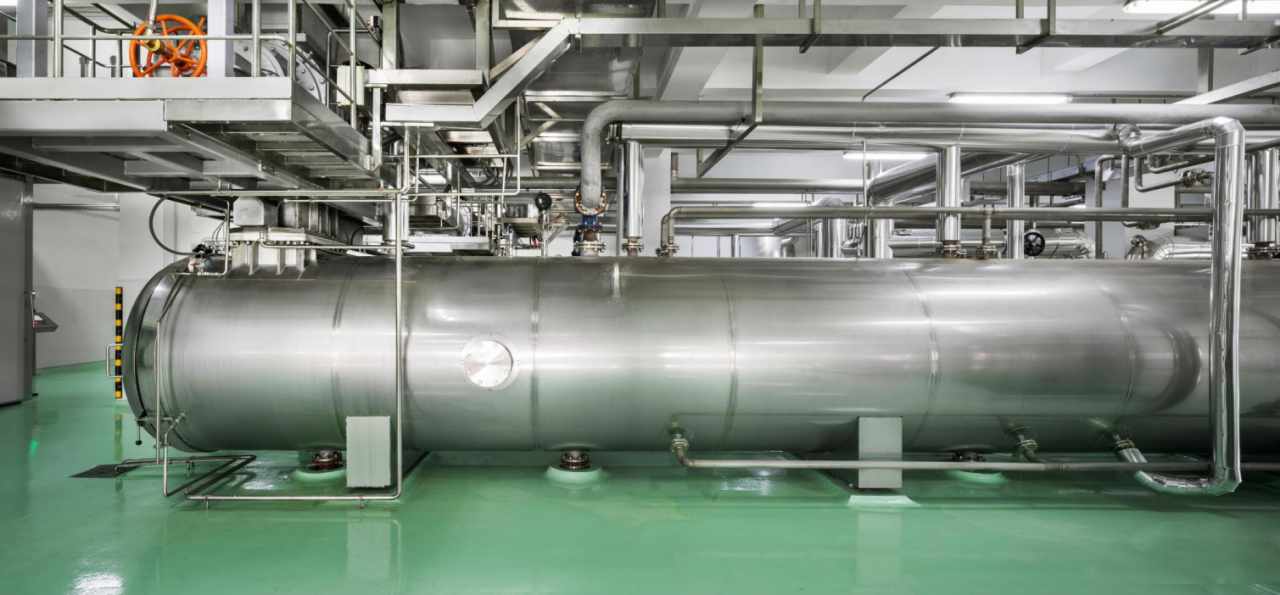
Fermentation & Blending System Although enzymatic brewing shortens natural fermentation duration, a proper maturation phase remains essential for developing characteristic soy sauce aroma. This stage mainly depends on:
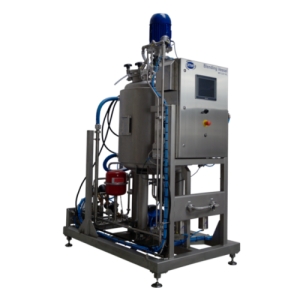
Temperature-controlled fermentation tanks
Salinity blending system
Automatic stirring and circulation system
Filtration & Filling System Many enterprises have upgraded from manual filtration to fully enclosed filtration lines, combined with aseptic filling equipment to lower risks of secondary contamination.
II.Practical Value of Intelligent Technology in Soy Sauce Production
"Intelligent manufacturing" is often misperceived as fancy auxiliary systems. Within soy sauce production, it solves three tangible challenges: consistency, productivity and traceability.
Data-based Control Replaces Empirical Judgement In the past, veteran operators judged enzymatic hydrolysis status by observing foam and smelling aromas. Modern intelligent systems realize:
Real-time recording of temperature curves
Automatic feedback regulation of pH
System early warning against enzyme activity variations
Craftsmanship experience is still valuable, yet confined within quantified data ranges.
Automatic Batching System Minimizes Human Error Minor deviations in raw material proportion will lead to obvious flavour differences in finished soy sauce. Intelligent batching systems support:
Automatic weighing
Metered automatic conveying
Batch errors controlled within an extremely narrow range This advantage proves vital for large-scale mass production.
Remote Monitoring & Production Traceability Numerous factories now support monitoring via computers or mobile terminals:
Real-time overview of fermenting tanks
Status tracking of enzyme inactivation batches
Instant alert for abnormal temperature in each process
Once quality problems arise, abnormalities can be pinpointed to the exact minute, rather than scrapping an entire batch for post-mortem investigation.
III. Common Missteps in Project Implementation
Many enterprises fall into typical pitfalls during equipment procurement and production upgrading:
Pursuing automation without process compatibility No matter how advanced the equipment is, stable finished products cannot be achieved if enzymatic hydrolysis parameters fail to match raw material characteristics.
Neglecting cleaning and hygienic design Soy sauce features high-protein substrates. Residual materials will contaminate subsequent batches and alter flavour. Most quality issues stem from sanitary dead zones rather than flawed process formulas.
Isolated independent subsystems Disconnected data among enzymatic hydrolysis units, Conveying Equipment and fermentation systems leads to "partial intelligence yet chaotic overall operation".
IV. Industry Trend: Simplicity for Superior Stability
From an industrial development perspective, the direction of enzymatic soy sauce brewing is clear:
Further standardized processes to eliminate human-induced fluctuations
Modularized equipment to facilitate capacity expansion
Transparent data management for full-process traceability
Lower energy consumption as a mandatory performance indicator
A mature intelligent production line is not defined by more equipment, but by simpler, more reliable operation.
Conclusion
The advancement of enzymatic brewing soy sauce represents an industrial transformation for the traditional fermentation sector. The transition from experience-driven to data-driven manufacturing, and from single machinery to interconnected system operation, has become an irreversible trend.
For manufacturers, equipment is merely the foundation. Product quality ceiling is ultimately determined by in-depth process understanding and coordinated system performance. Enterprises capable of achieving consistent stable production will secure lasting market competitiveness.
 +86 29-87031531





 โทรศัพท์