How Fermentation vessel Helps Reduce Brewing Contamination
Brewing contamination is one of the most critical risks in beer production, cider making, kombucha brewing, and other fermented beverage processes. A properly designed fermentation vessel plays a major role in reducing contamination, protecting product quality, improving batch consistency, and supporting sanitary brewing operations. For commercial brewers, craft breweries, homebrewers, and beverage processors, the fermentation vessel is not just a container for active fermentation. It is a key hygienic control point that can significantly lower the risk of microbial intrusion, oxidation, residue buildup, and cross-batch contamination.
This guide explains how fermentation vessel helps reduce brewing contamination, what features matter most in a sanitary vessel, which materials are commonly used, and what specifications should be considered when selecting a vessel for clean brewing performance. The content below is written in clear, SEO-friendly English and can be inserted directly into a blog post, category page, or industry information page.
What Is a Fermentation Vessel?
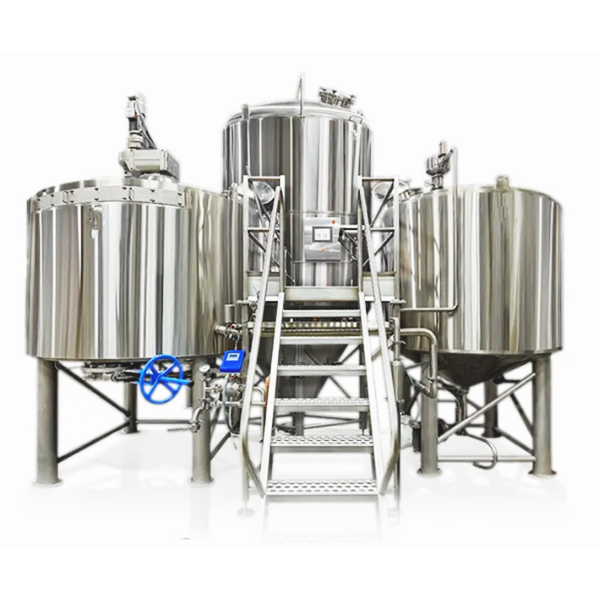
A fermentation vessel is a sealed or semi-sealed container used to hold wort, must, juice, tea, or other fermentable liquids during fermentation. In brewing and beverage production, the vessel provides a controlled environment for yeast or bacteria to convert sugars into alcohol, acids, carbon dioxide, and other desired compounds. Depending on the application, fermentation vessels may be made from Stainless steel, food-grade plastic, glass, or other sanitary materials.
The primary purpose of a fermentation vessel is to create a stable and controllable fermentation environment. However, from a contamination-control perspective, the vessel also serves as a protective barrier against outside air, dust, insects, unwanted microorganisms, and accidental contact. A high-quality fermentation vessel supports sanitary handling, easy cleaning, proper sealing, and pressure or temperature management, all of which help reduce contamination risk.
Why Brewing Contamination Matters
Brewing contamination can affect flavor, aroma, appearance, shelf life, carbonation, safety, and overall product consistency. Contaminants may include wild yeast, lactobacillus, pediococcus, acetobacter, mold, bacteria, and residue from previous batches. Even a small contamination event can lead to sour off-notes, haze, excessive pressure, fermentation failure, or spoiled product.
Contamination is especially problematic in breweries because fermentation is a biologically active stage. During this phase, yeast consumes sugars and the environment becomes attractive to other microorganisms if sanitation is weak. If the fermentation vessel is poorly designed, difficult to clean, or prone to air leaks, the chance of contamination increases. That is why vessel design, material selection, and cleaning compatibility are essential elements of brewing hygiene.
How Fermentation Vessel Helps Reduce Brewing Contamination
A well-designed fermentation vessel reduces contamination in several important ways. It supports hygienic processing from filling to discharge, while limiting exposure to contamination sources. Below are the main mechanisms through which a fermentation vessel helps protect brewing quality.
1. Creates a Controlled Sanitary Environment
The first and most obvious benefit of a fermentation vessel is that it isolates the fermenting liquid from the outside environment. Once wort or another fermentable medium is transferred into the vessel, it can be sealed to reduce direct exposure to dust, airborne microbes, and insects. This control is essential because fermentation liquids are highly vulnerable before they become alcohol-rich or acidic enough to inhibit contamination.
2. Reduces Exposure to Airborne Microorganisms
Airborne contamination is common in brewery environments, especially where cleaning, packaging, and raw material handling take place in the same area. A fermentation vessel with an effective lid, gasket, port, or closed design minimizes contact with open air. This lowers the chance that wild yeast and bacteria enter the brew during active fermentation or cooling.
3. Supports Proper Sealing and Pressure Control
Many fermentation vessels are designed with airlocks, pressure relief valves, tri-clamp fittings, or sealed lids. These features allow gas to escape without allowing outside contamination to enter. A one-way gas release system is especially important because fermentation produces carbon dioxide. Without a sanitary venting system, pressure buildup can damage the vessel or force operators to open the container, increasing contamination risk.
4. Minimizes Residue and Biofilm Buildup
Contamination often begins with residue left behind after a previous batch. Sugars, proteins, yeast deposits, and mineral films can create an environment where microbes survive and multiply. A smooth, non-porous fermentation vessel is easier to clean and less likely to trap residue. This means fewer places for bacteria and wild yeast to hide between batches.
5. Enables Efficient Sanitation Procedures
The easier a vessel is to clean, the lower the contamination risk. Sanitary fermentation vessels are often designed with clean-in-place compatibility, rounded corners, drainable bottoms, removable fittings, and polished surfaces. These features reduce cleaning time and improve sanitation reliability, which is essential for maintaining repeatable brewing quality.
6. Lowers Cross-Contamination Between Batches
Cross-contamination happens when microbes from one batch are transferred to another. This is a major concern in breweries that produce multiple beer styles or fermented beverages. A dedicated fermentation vessel for each batch, or a properly cleaned vessel between uses, helps prevent flavor crossover and microbiological contamination. Vessel design influences how easy it is to fully remove previous batch residues.
7. Supports Temperature Stability
Temperature fluctuations can stress yeast and encourage unwanted microbial growth. Some fermentation vessels provide insulation, jacketed cooling, or temperature control compatibility. By maintaining a more stable fermentation temperature, the vessel helps create conditions where the desired yeast performs efficiently and outcompetes contaminants.
8. Reduces Oxygen Ingress
While oxygen is useful at the start of fermentation for yeast growth, excessive oxygen exposure later can promote oxidation and support spoilage organisms such as acetobacter. A well-sealed fermentation vessel helps limit oxygen ingress after the initial stage, protecting both flavor and microbial stability.
Key Contamination Risks in Brewing
To understand the value of a fermentation vessel, it helps to look at common contamination risks in brewing. These risks are often associated with poor vessel design, insufficient cleaning, or weak process control.
Contamination Risk |
What Happens |
How Fermentation Vessel Helps |
|---|
Wild yeast |
Causes off-flavors, over-carbonation, or unexpected fermentation |
Sealed vessel reduces airborne entry and supports sanitary transfer |
Lactic acid bacteria |
Creates sourness, haze, and flavor instability |
Smooth, easy-to-clean surfaces reduce bacterial residue |
Acetobacter |
Converts alcohol into acetic acid, producing vinegar-like flavors |
Improved sealing limits oxygen exposure that encourages growth |
Mold and fungi |
Can grow on residue or in poorly cleaned equipment |
Sanitary vessel design reduces trapped residue and moisture pockets |
Cross-batch residue |
Transfers unwanted microbes and flavors into new batches |
Easy-clean vessel surfaces reduce carryover contamination |
Dust and insects |
Introduce environmental contaminants into open fermenting liquid |
Closed vessel design protects the brew from outside exposure |
Important Design Features for Contamination Control
Not all fermentation vessels offer the same level of contamination protection. For sanitary brewing, certain design features are especially important.
Food-Grade, Non-Porous Material
The material should be non-reactive, non-porous, and compatible with food and beverage use. Non-porous surfaces reduce the chance that bacteria and yeast can hide in microscopic openings. Stainless steel is the most common sanitary choice in commercial brewing because it is durable, corrosion-resistant, and easy to sanitize.
Smooth Internal Finish
A polished interior helps prevent residue accumulation. Rough welds, scratches, and seams can trap organic matter and become contamination points. A smooth finish is especially important for breweries that reuse vessels often and need consistent hygiene performance.
Sealed Lid or Closed Top
A tightly fitting lid helps reduce airborne contamination. Some vessels use clamps, gaskets, bolted covers, or welded domed tops to maintain a closed environment. The goal is to keep the fermenting liquid protected while still allowing gas release through a sanitary vent or airlock.
Drainable Bottom Design
Complete drainage is important because standing liquid can encourage microbial growth. Conical bottoms, sloped floors, or drain ports help remove yeast sediment and cleaning solution more effectively. Better drainage means less residue and lower contamination risk.
Sanitary Fittings and Ports
Sampling ports, transfer valves, temperature probes, and racking arms should all be designed with sanitation in mind. Poorly sealed ports can become entry points for microorganisms. High-quality sanitary fittings make it easier to maintain a clean process without exposing the batch to contaminants.
Compatibility With Cleaning and Sanitizing
The vessel should be easy to clean manually or through CIP methods. It should tolerate common brewing cleaners and sanitizers without degrading, cracking, or corroding. If the vessel cannot be cleaned effectively, contamination risk rises over time.
Temperature Control Capability
Some fermentation vessels are jacketed or insulated to support better fermentation temperature control. Stable temperatures help yeast perform more efficiently and reduce the probability of stress-related contamination issues. Temperature control also helps prevent microbial growth caused by warm, uncontrolled environments.
Common Materials Used in Fermentation Vessels
Material choice affects hygiene, durability, cleaning, and contamination resistance. The most common fermentation vessel materials are listed below.
Material |
Main Advantages |
Contamination-Control Benefit |
|---|
Stainless steel |
Durable, corrosion-resistant, smooth, professional-grade |
Excellent sanitation, low residue retention, easy to clean |
Food-grade plastic |
Lightweight, affordable, easy to move |
Useful for small-scale brewing, but may scratch more easily |
Glass |
Non-reactive, visually transparent |
Easy to inspect visually, but fragile and limited in large-scale use |
Polypropylene or HDPE |
Cost-effective, lightweight, common in homebrewing |
Acceptable sanitation when new and undamaged, but can wear over time |
Jacketed stainless steel |
Integrated cooling control, premium sanitary design |
Improves temperature stability and hygiene consistency |
Among these materials, stainless steel is often preferred for commercial brewing contamination control because it combines strength, easy cleaning, and long-term durability. Plastic and glass can still be useful depending on scale, budget, and process requirements, but they typically require more careful inspection for scratches, cracks, or wear that could harbor microbes.
How Cleanability Reduces Contamination
Cleanability is one of the most important factors in fermentation vessel design. A vessel that is difficult to clean will eventually become a contamination source, no matter how well it performs during fermentation. Brewing contamination often starts with tiny residue deposits, especially in seams, valves, gaskets, and corners.
Good cleanability comes from:
- Smooth interior surfaces
- Minimal dead zones
- Accessible valves and fittings
- Fully drainable geometry
- CIP-compatible connections
- Removable parts for inspection
When a fermentation vessel is easy to clean, brewers can apply standard sanitation routines more consistently. This improves process reliability and reduces the chance that leftover organisms survive between production cycles. Cleanability is not just a maintenance advantage; it is a direct contamination-prevention feature.
Benefits of Using a Sanitary Fermentation Vessel
A sanitary fermentation vessel provides more than contamination protection. It also improves overall brewing performance and operational efficiency.
Benefit |
How It Helps Brewing |
|---|
Better batch consistency |
Reduces unwanted microbial variability from one batch to the next |
Improved flavor stability |
Limits off-flavors caused by spoilage organisms |
Higher yield quality |
Reduces product loss from spoiled or contaminated batches |
Longer shelf life |
Cleaner fermentation supports more stable finished beverages |
Lower cleaning labor |
Sanitary design makes cleaning faster and more effective |
Better process control |
Supports temperature, pressure, and oxygen management |
Reduced risk of recalls |
Helps prevent microbial issues that could affect multiple batches |
Typical Specifications for a Brewing Fermentation Vessel
Fermentation vessels are available in many configurations, depending on production scale and beverage type. The table below shows common specification ranges used in the Brewing industry.
Specification |
Typical Range / Option |
Why It Matters for Contamination Control |
|---|
Material |
Stainless steel, food-grade plastic, glass |
Affects sanitation, durability, and residue retention |
Capacity |
5 L to 500 hL or more |
Must match batch size to reduce overflow and handling exposure |
Surface finish |
Polished, smooth interior |
Reduces microbial trapping and residue buildup |
Lid type |
Sealed, clamped, bolted, airlock-compatible |
Controls oxygen and airborne contamination |
Bottom design |
Conical, sloped, flat with drain |
Improves sediment removal and cleaning efficiency |
Ports and valves |
Sampling port, drain valve, transfer port |
Allows sanitary operation without full exposure |
Temperature control |
Jacketed, insulated, external cooling compatible |
Prevents temperature-related contamination risk |
Pressure capability |
Atmospheric to pressure-rated designs |
Supports safe gas release and sealed fermentation |
CIP compatibility |
Manual clean, spray ball, CIP-ready |
Improves cleaning consistency and sanitation speed |
Inspection access |
Manway, removable lid, visual port |
Helps identify residue or hidden contamination areas |
Best Practices for Reducing Brewing Contamination
Even the best fermentation vessel needs proper handling. To maintain a low-contamination brewing environment, operators should follow standard sanitation best practices.
- Clean and sanitize the vessel before every batch
- Inspect gaskets, seals, valves, and fittings regularly
- Avoid scratching the vessel interior during cleaning
- Use approved brewing cleaners and sanitizers
- Minimize open transfer time during filling
- Keep the fermentation area clean and dry
- Control temperature and humidity around brewing equipment
- Separate raw material handling from fermentation zones when possible
- Remove sediment and trub promptly after fermentation
- Document cleaning schedules and inspection results
These practices work together with the fermentation vessel to form a strong contamination-prevention system. Vessel quality is important, but operational discipline is equally necessary for clean brewing results.
Fermentation Vessel Types and Contamination Considerations
Different fermentation vessel types offer different contamination-control advantages. Understanding the strengths of each type can help brewers choose the right equipment for their process.
Vessel Type |
Common Use |
Contamination-Control Notes |
|---|
Open fermentation vessel |
Traditional beer styles, specialty fermentation |
Higher exposure risk; requires strong environmental control |
Closed fermentation vessel |
Most modern brewing applications |
Better protection against airborne contaminants |
Conical fermenter |
Commercial beer production |
Excellent sediment removal and cleanability |
Unitank |
Fermentation and maturation in one vessel |
Reduces transfer steps and lowers contamination risk |
Plastic fermenter |
Small-scale or entry-level brewing |
Affordable, but must be monitored for wear and scratches |
Glass carboy |
Homebrewing and small batches |
Non-porous and easy to inspect, but fragile |
In general, vessel designs that reduce transfers, minimize exposed surfaces, and improve cleaning access are more effective at controlling contamination. Closed and sanitary designs are preferred in most modern brewing environments.
SEO-Friendly Summary: Why Fermentation Vessel Matters
A fermentation vessel helps reduce brewing contamination by creating a sealed, sanitary, and controllable environment for fermentation. It protects the fermenting liquid from airborne microorganisms, dust, insects, and oxygen exposure, while also making cleaning and sanitation more effective. The right vessel design reduces residue buildup, supports temperature stability, prevents cross-batch contamination, and improves product consistency.
For breweries and beverage producers, choosing a high-quality fermentation vessel is one of the most effective ways to improve brewing hygiene. Materials like stainless steel, smooth interior surfaces, drainable bottoms, sanitary fittings, and closed tops all contribute to better contamination control. When combined with proper cleaning procedures and process discipline, the fermentation vessel becomes a core tool for safe, efficient, and reliable brewing.
Frequently Asked Questions About Fermentation Vessel and Brewing Contamination
Does a fermentation vessel completely prevent contamination?
No vessel can guarantee zero contamination, but a well-designed fermentation vessel greatly reduces risk by limiting exposure, improving sanitation, and supporting controlled fermentation conditions.
Why is stainless steel preferred for sanitary brewing?
Stainless steel is preferred because it is durable, smooth, non-reactive, corrosion-resistant, and easy to clean. These characteristics make it ideal for reducing contamination in brewing applications.
How does a closed fermentation vessel reduce contamination?
A closed fermentation vessel limits exposure to airborne microbes, dust, and insects. It also helps maintain stable fermentation conditions and reduces the chance of unwanted organisms entering the brew.
What vessel features are most important for hygiene?
The most important features include smooth surfaces, easy drainage, sealed lids, sanitary fittings, temperature control compatibility, and CIP-ready design.
Can a plastic fermentation vessel be sanitary?
Yes, a food-grade plastic vessel can be sanitary if it is new, undamaged, and cleaned properly. However, plastic may scratch more easily than stainless steel, which can increase contamination risk over time.
Final Takeaway
The fermentation vessel is one of the most important tools for controlling brewing contamination. It protects the product during one of the most sensitive stages of production and supports a cleaner, safer, more repeatable brewing process. By Choosing the right fermentation vessel and maintaining strong sanitation practices, brewers can reduce contamination, preserve flavor quality, and improve operational efficiency across every batch.
 +86 29-87031531





 โทรศัพท์
ความคิดเห็น
(0)